Triple‑pass Dryer ——Complete Guide To Three Drum Dryer For Industrial Drying
一.What Is a Triple‑pass Rotary Drum Dryer
The triple-pass rotary drum dryer is a highly efficient and compact piece of industrial drying equipment.
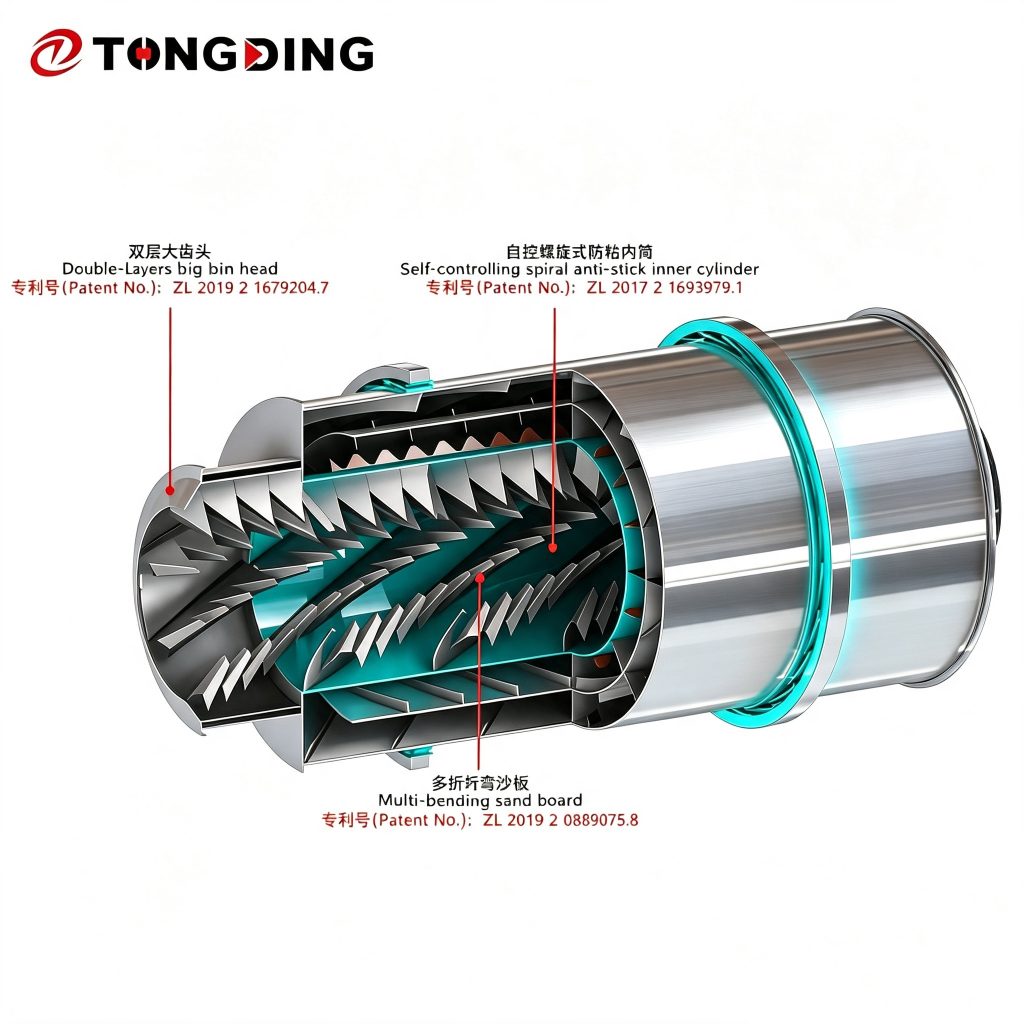
Its core structure consists of three concentric cylinders—inner, middle, and outer—with varying diameters but similar lengths, nested within one another to form a “cylinder-within-a-cylinder” configuration. During operation, wet material and hot air enter the innermost cylinder together, moving forward under the action of internal lifting flights; upon reaching the end of the inner cylinder, the material reverses direction to enter the middle cylinder; it then reverses again to enter the outer cylinder before finally being discharged from the outlet end.
二.Core Benefits of the Three Drum Dryer
The core advantages of the triple-pass rotary dryer lie in its high energy efficiency and compact footprint. Its unique “cylinder-within-a-cylinder” structure triples the material’s travel path while keeping the equipment length to just one-third that of a single-drum dryer, thereby saving approximately 50%–60% of the required floor space. Additionally, the outer cylinder acts as insulation for the inner cylinder, significantly reducing heat loss; this results in thermal efficiency more than 40% higher than that of traditional single-drum dryers, yielding remarkable energy savings. Furthermore, the equipment operates stably with excellent sealing, and the design of the lifting flights ensures thorough heat exchange between the material and the hot air, resulting in uniform drying.
![烘干机结构图[1]](/wp-content/uploads/2023/04/烘干机结构图1.jpg)
三.How To Get Reasonable Three Drum Dryer Price
To secure a reasonable price for a triple-pass dryer, the key is to “assess your needs before comparing prices.” The equipment cost is primarily determined by specifications, materials, and the level of automation—these are the core factors influencing the quote.
1. Clarify your specific needs
First, determine the type of material to be dried, its initial moisture content, and your production output requirements. Select the most suitable model based on these factors to avoid paying for high-end specifications you do not actually need.
2. Compare manufacturers and configurations
You get what you pay for; do not focus solely on the lowest price, as low-quality equipment often entails higher long-term maintenance costs. Compare the capabilities and manufacturing details of different manufacturers, and consider factors such as energy consumption and future maintenance expenses.
3. Monitor market trends
Fluctuations in raw material prices (especially steel) directly impact equipment costs.
四.Common Application Scenarios For Triple‑pass Rotary Dryer
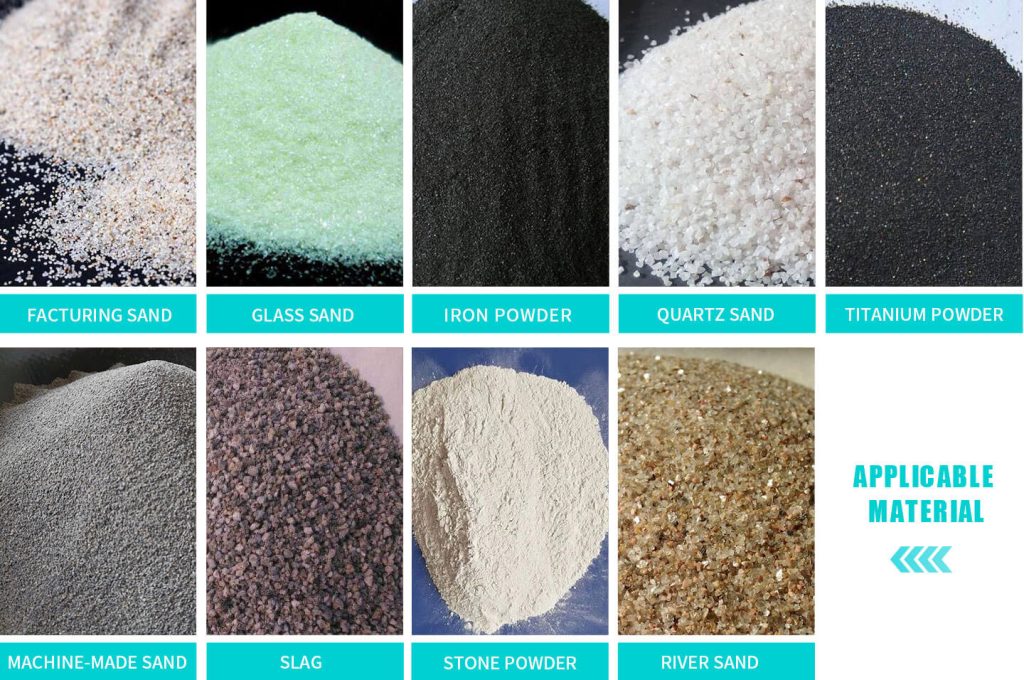
The triple-pass rotary dryer has a wide range of applications and is particularly well-suited for processing granular, lump, and fibrous materials. Its primary applications include:
1.Construction Materials and Mining: Drying yellow sand, slag, clay, limestone, and other materials; it serves as key equipment for dry-mixed mortar and cement production lines.
2.Biomass and Agriculture: Processing wood chips, straw, distillers’ grains, forage, and more, providing drying services for biomass fuel and animal feed production.
3.Chemical Industry and Environmental Protection: Drying mineral powder, bentonite, pharmaceutical residues, as well as various metal tailings and waste residues.
In short, the triple-pass dryer is highly capable of handling bulk materials that start with moderate moisture content and require efficient drying to achieve very low final moisture levels.