News
-
 2026-07-13
Coal Slime Dryer: Efficient Solution for High Moisture & Viscous Coal Materials
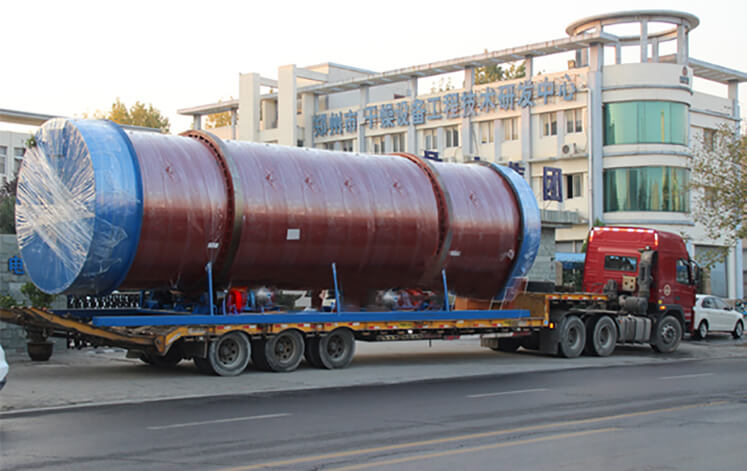
一. Industry Pain Points of Coal Slime Drying Wet coal slime and coal slurry are typical High Moisture Material and High Viscosity Material in the coal industry, with moisture content up to 30%-40%. These materials are prone to adhesion, agglomeration and uneven drying, making conventional drying equipment ineffective and wasteful. To solve this industry bottleneck, professional Coal Slime Dryer and Coal Slurry Dryer have become essential Coal Dryer / Coal Drying Equipment for coal resource recycling, realizing efficient dewatering and value upgrading of waste coal slime. 二. Core Structure and Working Principle As a mature Rotary Drying Machine, the industrial Slime Dryer adopts a optimized single drum rotary dryer structure, professionally developed and upgraded by Tongding Machinery. Different from ordinary dryers, it is equipped with anti-sticking lining and material breaking devices inside the drum. During operation, the rotating drum continuously lifts and scatters sticky coal slime materials, fully dispersing agglomerated materials. Combined with high-temperature hot air circulation, it completes rapid heat and moisture exchange, thoroughly solving the sticking and blockage problems of high-viscosity coal materials. 三. Energy-Saving Advantages of Tongding Machinery Dryer Energy Saving / Low Consumption is the core advantage of Tongding Machinery’s coal drying series equipment. The optimized...
-
 2026-07-13
Silica Sand Dryer: Efficient Drying Solution for Various Sands
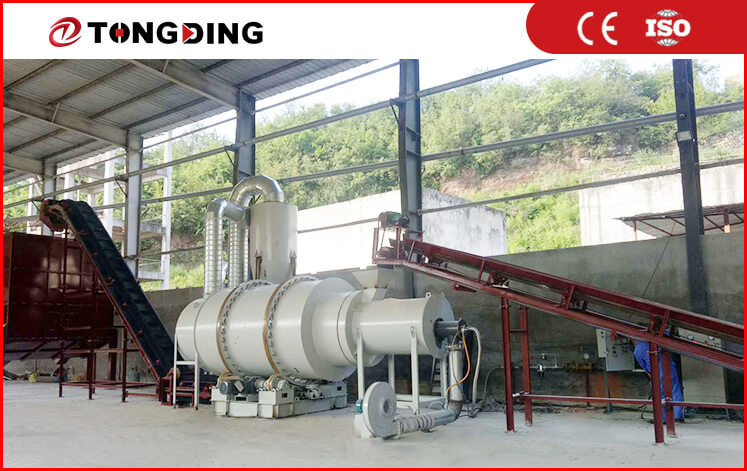
一.Overview of Sand Dryer Series Equipment Sand Dryer is a core industrial drying equipment widely used in mining, building materials, chemical and construction industries, specially designed for moisture removal of various granular sand materials. It covers multiple mainstream models includingSilica Sand Dryer, Quartz Sand Dryer, River Sand Dryer and rotary series dryers, solving the problem of high moisture, uneven drying and low production efficiency of raw sand materials. Different models are tailored to the characteristics of different sands, realizing standardized and high-efficiency drying production. 二. Working Principle of Rotary Sand Dryer & Sand Rotary Dryer Rotary Sand Dryer and Sand Rotary Dryer are the most traditional and reliable drying equipment in the sand drying industry, featuring rotary drum structure and stable operation. The equipment relies on the rotating drum and internal lifting plates to continuously flip and scatter wet sand materials. Through full contact between high-temperature hot air and materials, surface and internal moisture is quickly evaporated. This rotary drying mode adapts to large-scale continuous production, with strong compatibility for river sand, artificial sand and ordinary silica sand, and can stably reduce material moisture to the industrial standard range. 三.Advantages of Triple Drum Rotary Dryer Triple Drum Rotary Dryer is...
-
 2026-06-29
Three-pass sand dryer for higher efficiency ——Manufacturer quotes and selection guide
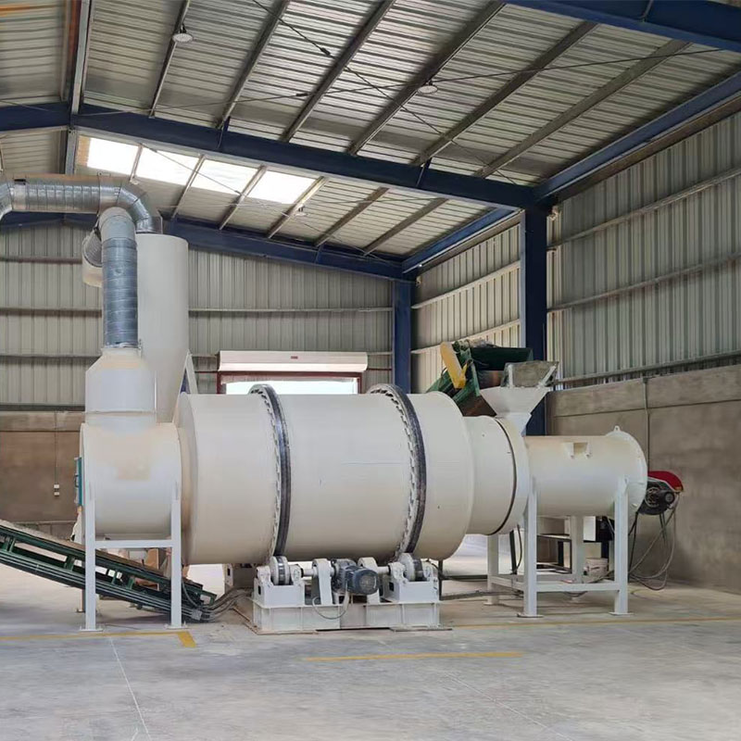
Understand the working principles and pricing factors of sand dryers and three-pass rotary sand dryers. Compared with single-drum equipment, analyze why three-pass rotary sand dryers have higher thermal efficiency and save more space. Provide professional selection guidance based on case studies from manufacturers such as Tongding. Sand dryer selection: Why has the three-pass design become the industry mainstream? In the production of building materials, casting and dry mortar, the sand dryer is the core equipment to ensure that the moisture content of the material reaches the standard. With the iteration of technology, three-pass dryers with the advantages of energy saving and intensification are gradually replacing traditional single-cylinder equipment and becoming the new favorite in the industry. What is a three-pass sand dryer? The three-pass rotary dryer, also known as a three-cylinder dryer, is designed with a core structure of three concentric cylinders of different diameters nested together to form a self-insulating structure. This structure allows the material to move a long distance along a spiral path inside the dryer, fully exchanging heat with the hot airflow and avoiding the “wind tunnel” phenomenon common in traditional equipment. Compared to traditional single-cylinder equipment, the three-pass structure of the sand dryer can improve...
-
 2026-06-25
Tongding Machinery Helps Overseas Customer Launch Phase Dry Mortar Production Line
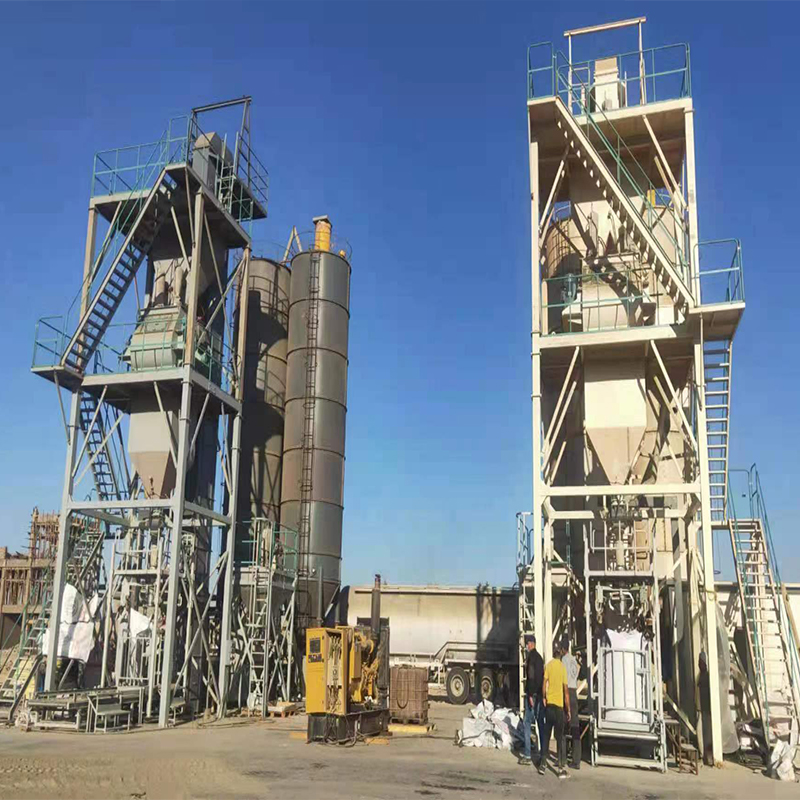
Recently, the 10–15 T/H dry mortar production line project for a Sri Lankan customer has been successfully installed, commissioned, and smoothly put into trial operation. This project is a typical turnkey dry mortar production line solution, covering the full process including sand drying, batching and weighing, mixing, and automatic packing systems. This is the customer’s second purchase of our complete production line, which fully demonstrates their high recognition of our equipment stability and our overall delivery capability for dry mortar production plants, further proving Tongding Machinery’s engineering strength and service level in overseas markets. Project Overview of 10–15 T/H Dry Mortar Production Line in Sri Lanka This project is designed with a capacity of 10–15 tons per hour, mainly used for producing tile adhesive, masonry mortar, and wall putty. The complete dry mortar production line includes a three-pass rotary sand dryer, bucket elevator, raw material storage silos, twin-shaft gravity-free mixer, automatic packing machine, and PLC control system. The plant features a compact structure and a high level of automation, making it suitable for small and medium-sized building material manufacturers. It can also be flexibly upgraded and expanded according to future production capacity requirements. Anti-Corrosion Design of Dry Mortar Equipment for High...
-
 2026-06-24
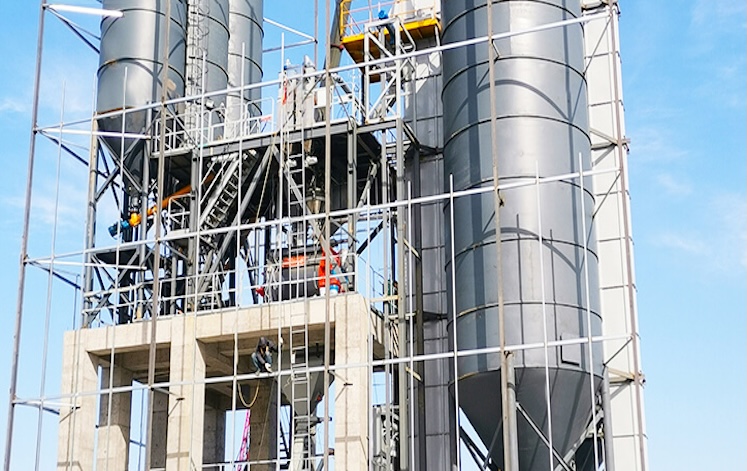
A 15-Ton Expandable Dry-Mix Mortar Production Line Delivered in Jakarta, Indonesia
A 15-ton expandable dry-mix mortar production line, customized for a local building materials company in Jakarta, Indonesia, has completed full segmented on-site installation, equipment integration, and no-load commissioning, and has been officially delivered and put into operation at the customer’s factory. The entire m ixing production line was designed in accordance with the height limitations of the customer’s simple steel-structure workshop in Jakarta and the on-site plant workflow. A fully customized layered installation and construction plan was developed, with future expansion capacity reserved. The production line enables stable mass production of more than ten types of dry powder building materials, including tile adhesive, interior and exterior wall putty, masonry mortar, and more. Modular Segmented Construction Adapted to On-Site Installation Conditions of a Simple Workshop in Jakarta In response to pain points such as the unfinished steel workshop, narrow access roads, and the inability of large lifting equipment to directly enter the workshop, the construction process was divided into segments. The entire steel mixing platform was broken down into several independent modules, including the base frame, intermediate batching platform, main mixer level, and dust collection top layer. These modules were transported to the site in batches and then assembled and welded...
-
 2026-06-18
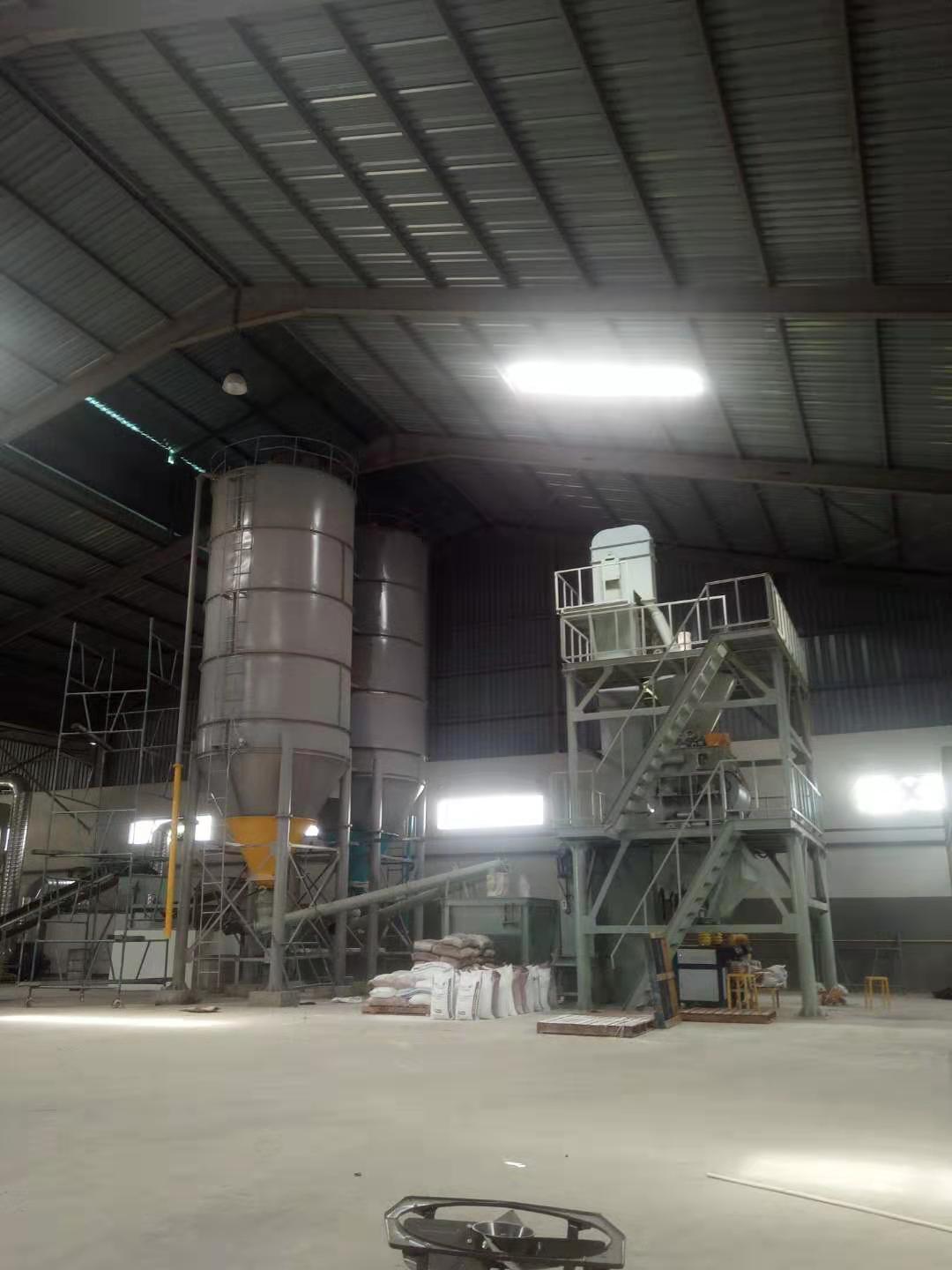
Tongding Machinery: 10–170T/H Dry Mortar Line in Zambia Tile Adhesive Plant
Recently, Tongding Machinery successfully completed the installation of a 10–170T/H fully automatic dry mortar production line project for a customer in Zambia. The project integrates a sand drying system, dry mortar mixing station, automatic batching system, and packaging system, and is designed for producing tile adhesive, wall putty, and other dry mix mortar products. Based on the customer’s local river sand characteristics, high moisture content, and unstable manual production process, Tongding Machinery designed a complete tile adhesive production equipment solution, achieving fully automated production from raw material handling, precise batching, high-efficiency mixing, to finished product packaging. Three-pass Sand Dryer System Optimized for River Sand Raw Materials In dry mortar production, sand plays a key role as the main aggregate, and its moisture content and consistency directly affect final product quality. The Zambian customer mainly uses locally sourced river sand, which contains high moisture after washing. If it is directly used in the mixing process, it can cause unstable proportions and negatively affect tile adhesive performance. To solve this issue, the project is equipped with an efficient sand drying machine system using continuous three-pass drum dryer technology. Wet sand is fully lifted and tumbled inside the drum, ensuring sufficient contact with hot air for rapid moisture removal. The processed sand...